
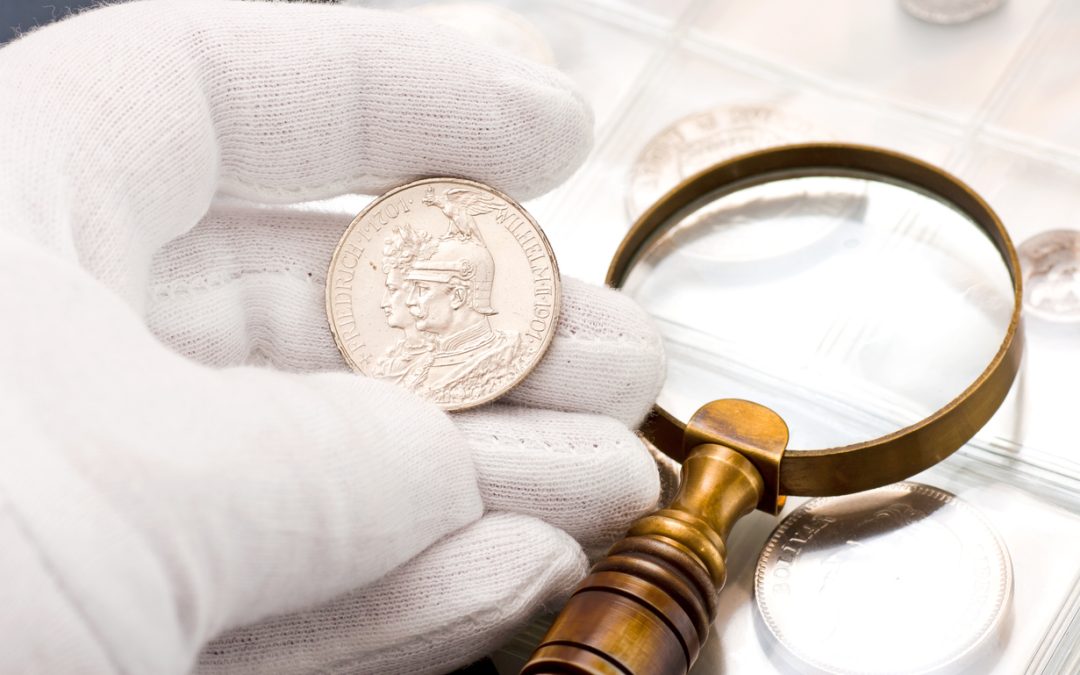
A single grade bump can double a coin’s price because informed buyers pay premiums for proven quality. You do not need expensive lab gear; you need discipline, basic tools, and a plan. Apply these Smart Coin Grading Tips to raise your Lynbrook collection’s profile and market liquidity. Treat each coin like a miniature work of art, and the market will reward your care. The best part? Most improvements cost little more than extra time, patience, and consistent habits you can practice at your kitchen table.
Learn the Basics of the 70-Point Grading Scale
Grab a reputable grading guide from a library or an authentication service website. Study photo examples that illustrate each grade from “Poor 1” to “Perfect 70.” Practice by grading low-value coins first. Over time you will recognize condition rarity on sight and explain that finding to other collectors with authority. Join a local coin club for practice sessions; shared knowledge sharpens your eye. Swap inexpensive duplicates with other members to see how their opinions match yours.
When you speak the same language as professional graders, negotiations become smoother and more profitable.
Inspect Surface Preservation under Proper Lighting
Place a high-intensity lamp at a forty-five-degree angle to the coin. Rotate the piece slowly, watching how mint luster dances across the surface. Look for nicks on the cheek of a Liberty or breaks in the sharp strike of an Eagle. Fingerprints destroy value, so handle coins only on the rim while wearing cotton gloves. Consider investing in a simple loupe with LED lighting for clearer views. Photograph the coin before and after each inspection; images help track tiny changes you may miss with the naked eye.
Consistent lighting prevents overlooked flaws and saves you from overgrading.
Identify Key Dates and Mint Marks for Premium Value
Every series has a holy-grail year or a scarce mint mark that sparks collector demand. Use a 10× loupe to inspect the tiny letters under dates. A key date combined with high grade yields a numismatic premium many times melt value. Keep a pocket checklist so exciting finds never slip through. Online price guides update frequently; bookmark them for quick verification while sorting. When you locate a key date, flag the holder with a bright sticker to avoid accidental handling.
Spotting a hidden key date feels like discovering buried treasure.
Use Third-Party Certification to Build Buyer Confidence
Submit valuable specimens to a respected authentication service. Third-party grading seals coins in a transparent holder, locking in grade and protecting surfaces. Certified pieces command higher prices because buyers trust impartial verification. Fees vary, yet the return often outweighs the cost, especially for condition rarity. Keep invoices; they add provenance that collectors love. If you plan to sell at auction, certification can shorten listing times because the cataloger spends less time verifying authenticity.
Certification turns subjective opinion into objective fact.
Store Coins Safely to Maintain Long-Term Worth
Humidity, acids, and careless handling erode value. Slide coins into inert capsules, add silica gel packs, and store them in a dark closet away from household chemicals. Label each container with grade, key date, and cost basis. Proper storage preserves mint luster and sharp strike details for future sales. Regularly inspect silica packs; replace them once they feel damp. Rotate capsules every six months to check for condensation.
Good storage today equals higher payouts tomorrow.
Mastering the grading scale, using proper lighting, spotting key dates, certifying wisely, and storing safely will elevate your collection from casual assortment to serious investment. Consistency drives results and builds long-term confidence.
Need professional eyes on your coins? Stop by Collectors Coin & Jewelry in Lynbrook for a free review, grading tips, and guidance on unlocking maximum value.